
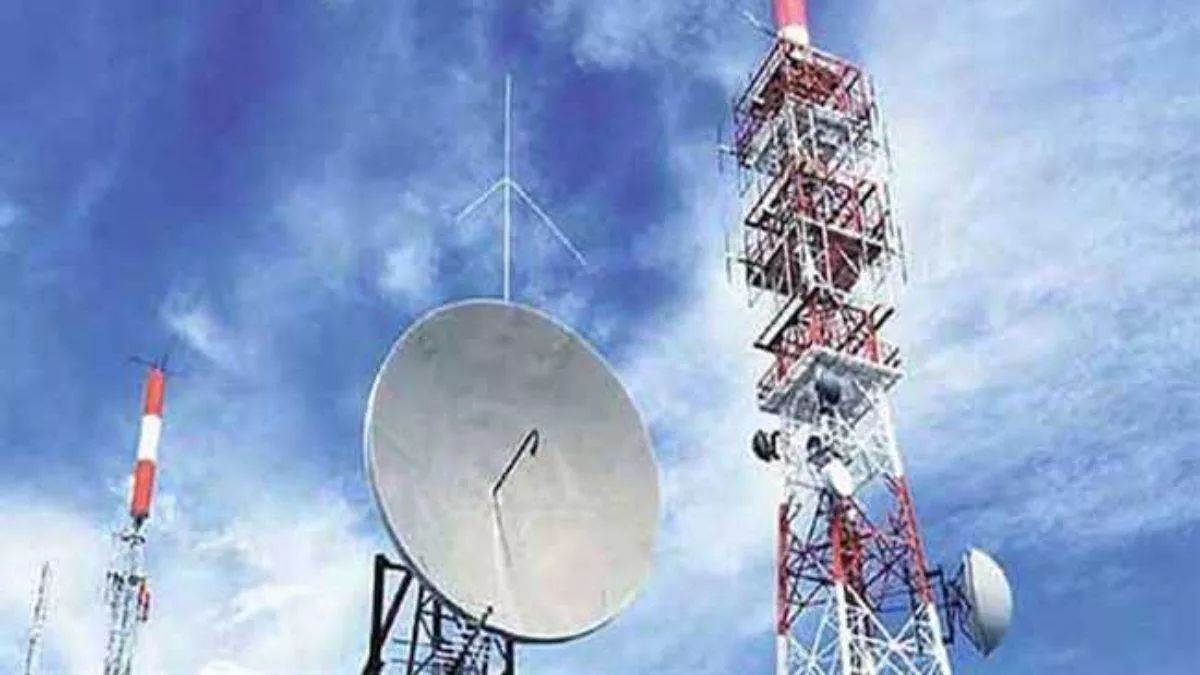
India’s telecommunications landscape has entered a new phase with the Telecommunications Act, 2023, replacing decades-old laws such as the Indian Telegraph Act, 1885 and the Indian Wireless Telegraphy Act, 1933. The new law is designed to modernise regulation, strengthen consumer protection, and align telecom governance with today’s digital and data-driven economy.
Here’s a clear breakdown of what the new telecom law means for ordinary users, businesses, and service providers.
Why a New Telecom Law Was Needed
India’s earlier telecom laws were framed in a colonial era, long before mobile phones, the internet, OTT platforms, or satellite communication existed. The new law aims to:
- Modernise telecom regulation
- Encourage innovation and investment
- Improve consumer rights and service quality
- Strengthen national security and public safety mechanisms
Key Changes Under the New Telecom Law
1. Stronger Consumer Protection
Telecom users now enjoy better safeguards against:
- Spam calls and unsolicited messages
- Service disruptions and unfair practices
The law empowers authorities to mandate stricter verification, transparency, and grievance redressal mechanisms for telecom service providers.
2. Tough Action Against Spam and Fraud
One of the most user-impacting changes is the focus on spam control. The government can:
- Suspend or disconnect telecom resources used for fraud or spam
- Penalise entities misusing SIM cards or networks
This means fewer scam calls and stronger action against telecom misuse.
3. SIM Cards and User Verification
The new law tightens rules around SIM card issuance:
- Mandatory and stricter identity verification
- Limits on misuse and bulk SIM fraud
For users, this improves security but also means more accountability while obtaining connections.
4. Government Powers During Emergencies
In situations involving public safety, national security, or disasters, the government can:
- Temporarily take control of telecom services
- Prioritise emergency communications
While this raises privacy concerns, such powers are subject to legal safeguards and oversight.
5. Easier Rules for Telecom Companies
The law simplifies licensing by:
- Introducing authorisation-based frameworks instead of multiple licences
- Reducing regulatory hurdles
This is expected to improve service quality, expand coverage, and promote competition.
6. Support for New Technologies
The Act provides a legal framework for emerging technologies such as:
- 5G and future networks
- Satellite-based internet services
- Internet of Things (IoT)
This helps India stay globally competitive in digital infrastructure.
What It Means for You as a User
✔ Fewer spam calls and scam messages
✔ Better service accountability from telecom operators
✔ Improved network security
✔ Clearer grievance redressal options
However, users may also notice:
- Stricter SIM verification processes
- Increased scrutiny in cases of telecom misuse
Concerns and Ongoing Debate
Some critics have raised concerns about:
- Broad government powers
- Potential impact on privacy and free speech
These concerns highlight the importance of transparent implementation and judicial oversight as the law evolves.
Conclusion
The new telecom law marks a major shift in how communication services are regulated in India. For everyday users, it promises better protection, fewer nuisances like spam, and improved service quality. For the telecom sector, it creates a modern, flexible regulatory environment suited for future technologies.
As implementation continues, how effectively the law balances security, innovation, and individual rights will determine its long-term success.