
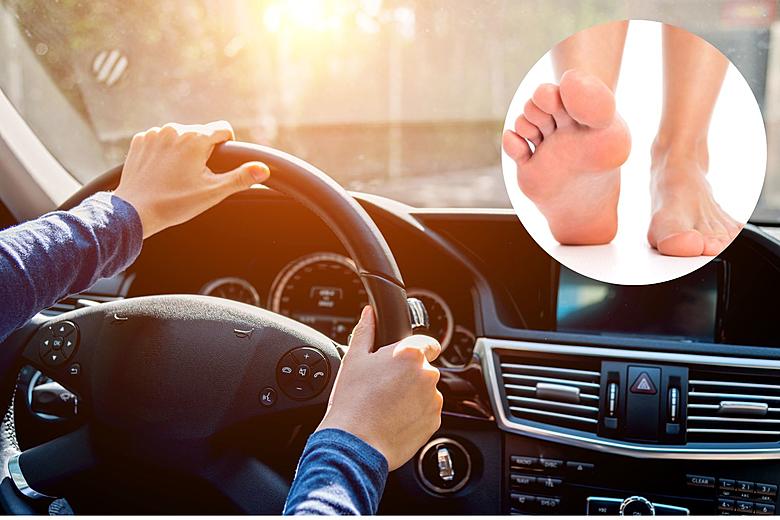
For vehicles like cars, Indian law does not specifically prohibit driving while barefoot, so technically, it is legal. However, legality and safety are two very different things. Just because something is allowed doesn’t always mean it’s advisable.
That brings us to the real question: should you drive barefoot? While the law may not stop you, safety considerations and practical driving rules certainly come into play. In this discussion, we’ll break down what Indian regulations say, how safety is viewed by authorities, and what you should keep in mind before choosing to drive without footwear. Let’s get started.
What Does Indian Law Say?
There is no specific law in India that makes driving barefoot illegal. Neither the Motor Vehicles Act, 1988 nor the Central Motor Vehicles Rules, 1989 prescribe footwear as a mandatory requirement for driving a motor vehicle.
In simple terms:
- You can legally drive barefoot in India.
- You cannot be fined solely for not wearing shoes or sandals while driving.
Why the Confusion Then?
The confusion usually arises because traffic police officers sometimes stop drivers and claim that barefoot driving is unsafe or illegal. While safety concerns may be valid, they do not automatically translate into a legal offence.
Police may attempt to book a driver under:
- Section 184 of the Motor Vehicles Act (Dangerous driving), or
- Section 177 (General penalty for violation of rules)
However, for a fine to be legally valid, the officer must prove that:
- Driving barefoot directly caused dangerous or negligent driving, or
- It resulted in a traffic violation or accident
Barefoot driving by itself does not meet this threshold.
Is Barefoot Driving Unsafe?
From a safety perspective:
- Bare feet may slip off pedals, especially if wet
- Proper footwear can offer better grip and pedal control
That said, safety advisories are recommendations, not legal mandates. Many drivers feel more comfortable and in control while driving barefoot, particularly in short-distance or city driving.
Can You Be Fined for Driving Barefoot?
- ❌ No fine is allowed solely for barefoot driving
- ✅ A fine is possible only if barefoot driving contributes to rash or negligent driving
If fined unfairly, you have the right to:
- Ask for the specific legal provision being applied
- Contest the challan in traffic court
What About Driving in Slippers or Heels?
Interestingly, just like barefoot driving:
- Driving in slippers, sandals, or even heels is also not illegal
- But if such footwear interferes with vehicle control and causes unsafe driving, penalties may apply
What Are Some Smart Footwear Choices for Driving?
To drive safely, your footwear should give you good grip, proper pedal control, and stability, without slipping or interfering with pedal movement. The right shoes can make a real difference in how confidently and safely you drive.
Sneakers and flat-soled shoes are among the best options. Sneakers provide a soft yet firm grip on the pedals and the car floor, helping you maintain control. Flat-soled shoes fit snugly and allow precise pedal movement without blocking or snagging.
On the other hand, avoid flip-flops, high heels, loose sandals, or oversized footwear. These can slip off, get stuck under the pedals, or reduce your ability to react quickly—turning a simple drive into a safety risk.
A practical tip is to keep a dedicated pair of driving shoes in your car, especially if you often wear formal or fancy footwear. Switching to proper shoes before driving ensures comfort, safety, and better control on the road.