
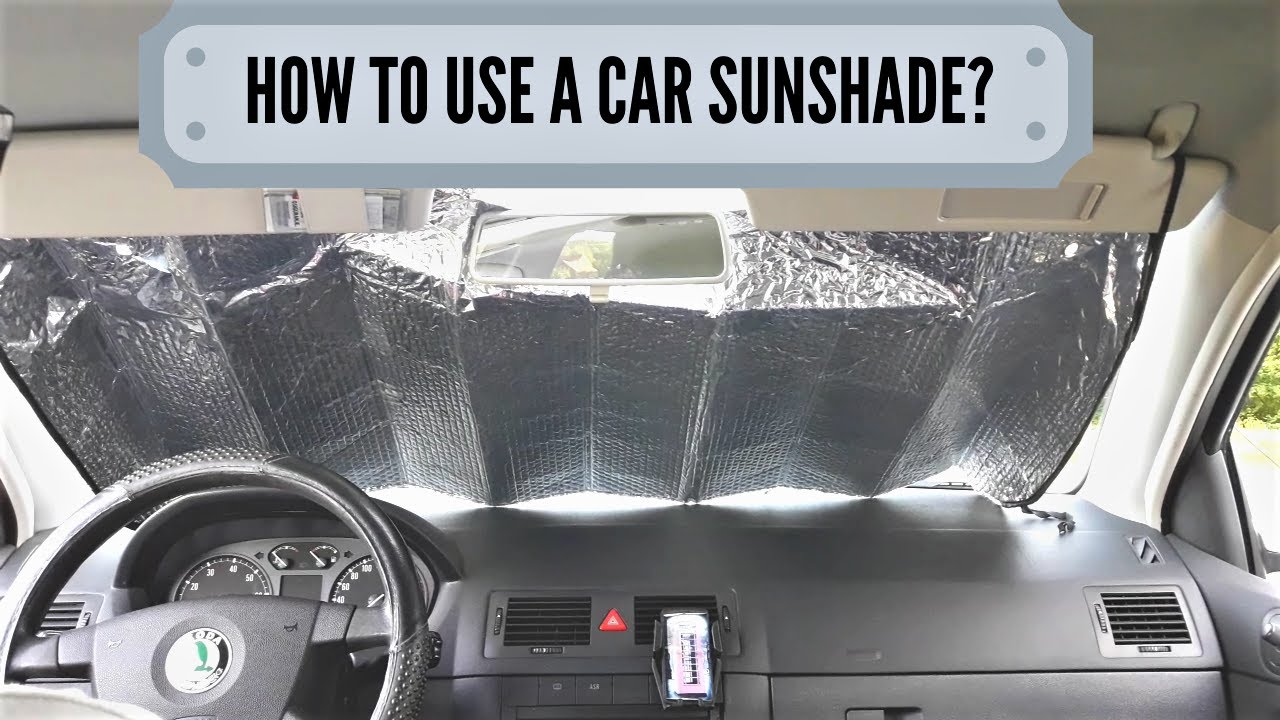
Using sun shades in cars—especially on the driver’s side windows and the windshield—is generally illegal in India. There are also strict laws governing the use of tinted glass, so if you are considering it as an alternative, it is important to understand the legal position fully. Let’s break down these rules in a simple and practical way.
Sun Shades vs Tinted Glass: What’s the Difference?
Although both sun shades and tinted glass are used to reduce heat and glare, they are not the same and are regulated differently.
- Sun shades are removable screens, curtains, or mesh panels placed inside the car windows. They are designed to block sunlight and reduce cabin heat.
- Tinted glass involves applying a permanent or semi-permanent film to the windows to limit light transmission.
Because of their differing nature and impact on visibility, Indian traffic laws treat them differently.
What Does Indian Law Say About Sun Shades?
Under the Motor Vehicles Act, 1988, any material that significantly reduces visibility through car windows is prohibited. This applies to both sun shades and tinted films.
As per the legal standards:
- Front windshield and rear window must allow at least 70% visible light transmission (VLT)
- Side windows must allow at least 50% VLT
Using dark sun shades, curtains, or mesh screens—especially while driving—can obstruct visibility and is therefore considered illegal.
These rules exist to ensure:
- Clear visibility for drivers to prevent accidents
- Visibility of occupants inside vehicles for law enforcement and public safety
If your vehicle windows do not meet the prescribed visibility standards, you may face legal action.
Supreme Court’s Ruling on Tinted Glass
In April 2012, the Supreme Court of India delivered a landmark judgment prohibiting the use of any aftermarket film or material on vehicle windows that reduces visibility below the prescribed limits.
The Court held that:
- Reduced visibility increases the risk of accidents
- It hampers law enforcement’s ability to monitor vehicles
- Public safety outweighs personal comfort considerations
As a result:
- Heavily tinted glass and dark sun shades are illegal
- Factory-fitted tinted glass is allowed only if it meets VLT standards
No additional film or shading material is permitted beyond factory specifications.
Penalties for Violating the Rules
If caught using illegal sun shades or tinted glass:
- You may be fined ₹100 to ₹500 for the first offence
- Repeat violations can lead to higher fines
- In some cases, authorities may remove the material on the spot or impound the vehicle
Traffic police regularly conduct checks, and fines can be imposed immediately if your vehicle does not comply with the law.
Final Takeaway
While India’s climate makes sun protection tempting, road safety and visibility take priority under the law. Avoid using dark sun shades or aftermarket tints, and ensure your vehicle complies with visibility standards to stay on the right side of the law—and avoid unnecessary fines and inconvenience.