
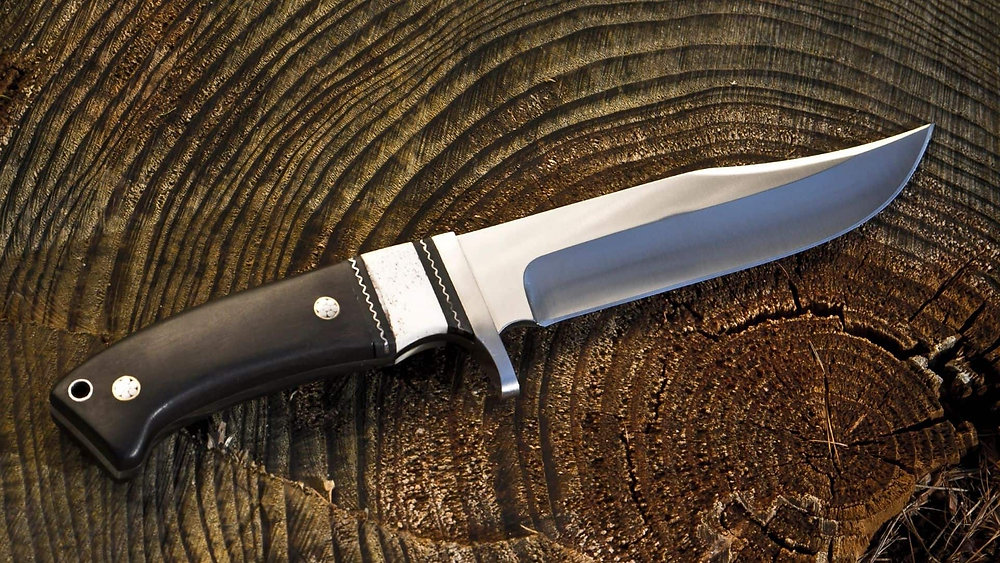
The legality of carrying a knife in India is not a simple yes-or-no answer. It depends on the type of knife, its size, how it is carried, and the intent behind carrying it. Indian law does not impose a blanket ban on all knives, but certain knives are strictly regulated.
It may come as a surprise to many, but carrying a knife in India is generally illegal, even if you claim it is for self-defense. That said, the issue isn’t as straightforward as it sounds. The legality of carrying a knife depends on several factors, including state-specific laws, the type and size of the blade, the intent behind carrying it, and even certain religious considerations.
Because of these nuances, the subject becomes quite complex and often misunderstood. To get a clear picture, it’s important to look closely at the relevant laws and regulations that govern knife possession in India. Let’s break it down in detail and understand what the law actually says.
What Does the Law Say?
There is no single central law that outright bans carrying knives across India. Instead, legality is governed by:
- The Arms Act, 1959
- State-specific police laws and local orders
- Preventive provisions under the Criminal Procedure Code (CrPC)
Knives Under the Arms Act, 1959
Under the Arms Act:
- Ordinary household or utility knives (such as kitchen knives, small pocket knives, or tools) are generally legal.
- Dangerous or prohibited knives—such as switchblades, daggers, swords, or knives designed specifically to cause harm—can fall under the definition of “arms”.
Carrying such weapons without a valid license or lawful purpose may attract punishment.
Size and Design Matter
Many states and local police authorities impose restrictions based on:
- Blade length (often more than 9 inches is considered illegal)
- Blade width
- Sharpness and lethality
- Whether the knife can be concealed easily
For example:
- A small folding knife for utility purposes is usually allowed.
- A large dagger or combat-style knife carried in public can be considered illegal.
Intent and Circumstances Are Crucial
Even a legal knife can become illegal if:
- You are carrying it without a reasonable purpose
- It is carried in a public place during sensitive situations (protests, elections, public gatherings)
- Police believe it may be used to cause harm or disturb public order
Under Sections 107–110 of the CrPC, police can take preventive action if they suspect a breach of peace.
State and Local Restrictions
Many states and cities issue temporary prohibitory orders (often under Section 144 of the CrPC) that:
- Ban carrying sharp weapons in public
- Are common during festivals, elections, or unrest
Violating these orders can lead to arrest and seizure of the knife.
Penalties for Illegal Carrying
If found carrying a prohibited knife illegally, you may face:
- Seizure of the weapon
- Fines
- Imprisonment, depending on severity and intent, under the Arms Act or IPC provisions
Practical Guidelines
✔️ Carry knives only for legitimate purposes (work, camping, tools)
✔️ Avoid carrying large or combat-style knives in public
✔️ Do not carry knives to crowded or sensitive places
✔️ Check local police notifications in your city or state
Final Work
Carrying a knife in India is legal in limited and reasonable circumstances, but dangerous knives, large blades, or carrying without valid purpose can land you in legal trouble. When in doubt, it’s safest not to carry a knife in public unless clearly required for work or utility.