
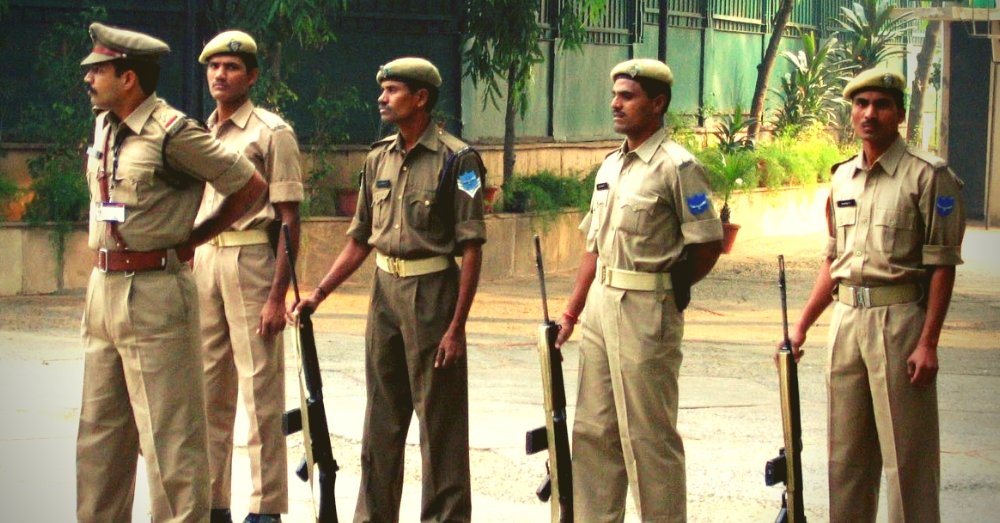
Wearing a police uniform may seem harmless—especially for costume parties, films, or fancy dress events—but in India, it is a serious legal issue depending on the intent and circumstances. Indian law strictly regulates the use of official uniforms to prevent impersonation and misuse of authority.
What Are the Legal Provisions and Regulations Regarding This?
Every Indian should be aware that wearing a police uniform without proper authorization is illegal. The law strictly prohibits members of the general public from wearing police uniforms or any part of them, as this amounts to impersonation and threatens public order and trust.
Several legal provisions address this issue clearly. Section 171 of the Indian Penal Code (IPC) makes it a criminal offence to impersonate a public servant, which includes unlawfully wearing a police uniform or presenting oneself as a police officer. In addition to this, the Police Act, 1861 expressly prohibits any person from wearing a police uniform—or even a part of it—with the intent to pass off as a police officer. The objective of this law is to prevent individuals from misusing the authority and public trust associated with the police force.
Further, the Indian Police Service (Uniform) Rules, 1954 lay down detailed regulations regarding the official uniforms to be worn by police personnel. These rules clearly restrict the use of police uniforms only to authorized officers and strictly bar their use by anyone else.
Together, these laws ensure that police uniforms remain symbols of lawful authority and public confidence, and they protect society from deception, misuse of power, and potential threats to public safety.
What Does Indian Law Say?
Under Indian law, wearing a police uniform without authorization is illegal, particularly if it is done to impersonate a police officer or gain any undue advantage.
The key legal provisions involved are:
1. Section 170 of the Indian Penal Code (IPC)
This section deals with personating a public servant.
If a person pretends to be a police officer and performs or attempts to perform any act under that assumed authority, they can be punished with:
- Imprisonment up to 2 years, or
- Fine, or
- Both
Even claiming to be a police officer verbally, along with wearing the uniform, can attract liability under this section.
2. Section 171 IPC
This section applies when someone wears the garb or carries the token of a public servant with fraudulent intent, even if they do not actually perform official duties.
Is Wearing a Police Uniform Ever Allowed?
Yes, limited exceptions exist:
- Actors in films, television shows, or theatre, provided proper permissions are obtained and the uniform is used strictly for performance purposes
- Fancy dress events or school functions, where there is no intent to deceive the public
- Training institutions or exhibitions, with official approval
However, even in these cases, misuse in public places or behaving like an actual police officer can still invite legal trouble.
Why Is It Taken So Seriously?
Police uniforms symbolize authority, trust, and state power. Misusing them can:
- Mislead the public
- Enable fraud, extortion, or harassment
- Undermine public trust in law enforcement
- Pose serious risks to public order and safety
Because of these risks, Indian courts treat impersonation of police officers as a serious offence.
Penalties You Could Face
If caught wearing a police uniform illegally, you may face:
- Arrest and criminal prosecution
- Imprisonment and/or fines under the IPC
- Seizure of the uniform and related items
In aggravated cases—such as committing crimes while impersonating police—the punishment can be much more severe.
Final Thoughts
In India, wearing a police uniform without lawful authority is not legal, especially if it involves impersonation or deception. Even if your intention seems harmless, the law looks closely at how and why the uniform is being used.
If you need to wear one for legitimate purposes like acting or events, always ensure proper permissions are in place and avoid using it in public spaces in a way that could mislead others.
When it comes to official uniforms, it’s always better to err on the side of caution.